

Do various designs carpets have a high pile density?
Oct 21, 2025
When it comes to interior decoration, carpets play a pivotal role in enhancing the aesthetic appeal and comfort of a space. As a supplier of various designs of carpets, I often encounter a common question from customers: "Do various designs carpets have a high pile density?" In this blog post, I'll delve into this topic, exploring the relationship between carpet designs and pile density, and how it impacts the overall quality and functionality of the carpet.
Understanding Pile Density
Before we discuss whether variously designed carpets have high pile density, it's essential to understand what pile density means. Pile density refers to the amount of fiber packed into a given area of the carpet. It is typically measured in ounces per square yard or grams per square meter. A higher pile density generally indicates a more durable, luxurious, and better - performing carpet.
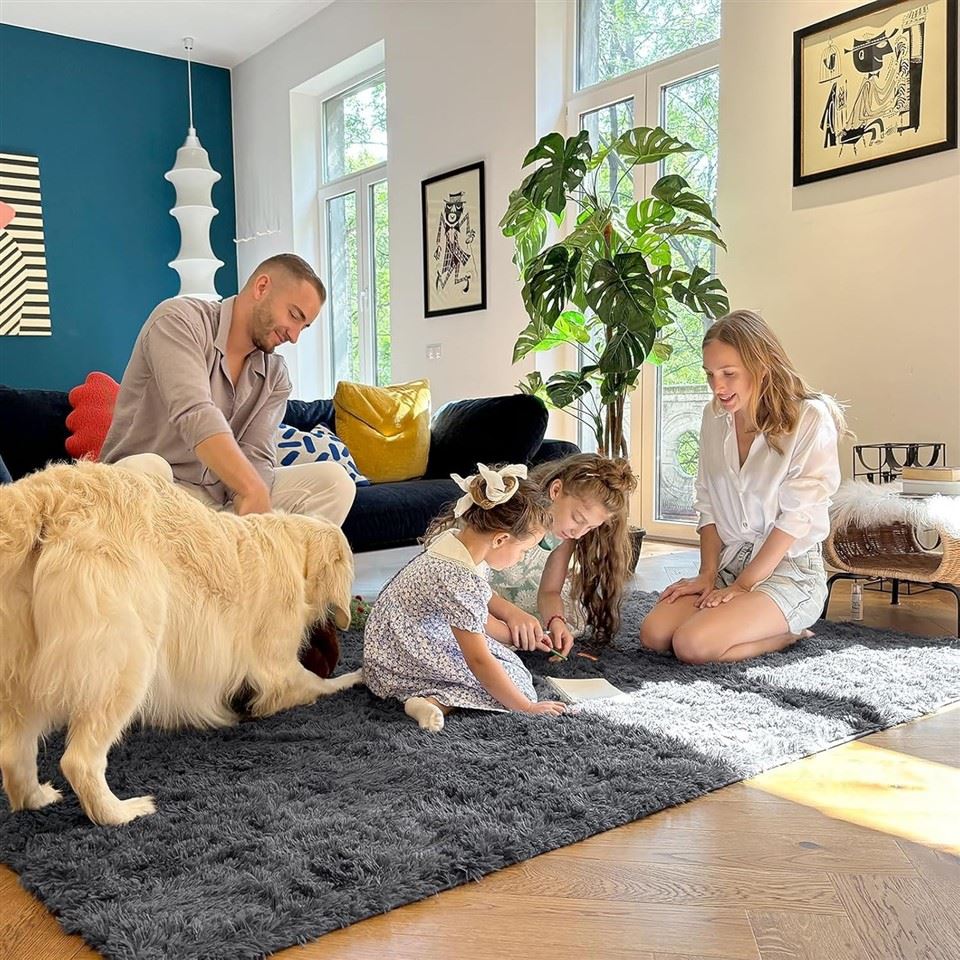
Carpets with high pile density are less likely to show footprints and vacuum tracks. They also tend to resist wear and tear better, making them a great choice for high - traffic areas. Moreover, high - density carpets often have a softer feel underfoot, providing a more comfortable walking and sitting experience.
Pile Density Across Different Carpet Designs
Geometric Designs
Geometric designs are a popular choice in modern interior design. These carpets often feature bold shapes such as squares, triangles, and circles. The pile density of geometric - designed carpets can vary widely. For contemporary geometric carpets that are made for high - end residential or commercial spaces, manufacturers may opt for high pile density to showcase the sharpness of the geometric patterns. A high - density pile allows the colors and shapes to stand out more clearly, creating a more visually striking effect.
For instance, a modern geometric rug in a living room can benefit from a high pile density. The Living Room Carpet with a geometric pattern not only adds a touch of style but also provides a soft and durable surface for daily activities. The high pile density ensures that the pattern remains crisp and the carpet can withstand the constant movement of furniture and people.
Floral Designs
Floral designs bring a touch of nature and elegance to any room. When it comes to pile density, floral - designed carpets can also vary. Some traditional floral carpets, especially those with intricate hand - tufted details, may have a high pile density. The high density helps to create a rich and textured look, enhancing the realism of the floral motifs.
On the other hand, more contemporary and minimalist floral carpets might have a lower pile density. These carpets are often designed to have a more subtle and airy appearance. However, even in these cases, a certain level of pile density is still necessary to maintain the integrity of the design. For example, a White Round Area Rug with a delicate floral pattern can have a medium - high pile density to ensure that the flowers are well - defined and the rug has a soft, plush feel.

Abstract Designs
Abstract designs offer a lot of creative freedom. They can range from simple, monochromatic patterns to complex, multi - colored compositions. The pile density of abstract - designed carpets depends on the intended effect. If the goal is to create a bold and dramatic statement, a high pile density can be used to intensify the colors and textures.
For example, an abstract rug with a high - contrast color scheme can look more vibrant and three - dimensional with a high pile density. The fibers can trap and reflect light in different ways, adding depth to the design. In contrast, some abstract carpets with a more muted and understated look may have a lower pile density. These rugs are often used to create a calm and relaxing atmosphere.
Factors Affecting Pile Density in Various Designs
Material Selection
The type of material used in carpet manufacturing has a significant impact on pile density. Natural fibers such as wool are known for their ability to be packed tightly, resulting in high - density carpets. Wool carpets can hold their shape well and maintain a high pile density over time. Synthetic fibers like polyester and nylon also offer different levels of pile density.
Polyester is a popular choice for its affordability and stain - resistance. Polyester Felt Sheets can be used in carpet production, and depending on the manufacturing process, they can achieve a range of pile densities. Nylon is another synthetic fiber that can be made into high - density carpets, especially for high - traffic areas due to its durability.
Manufacturing Process
The manufacturing process also plays a crucial role in determining pile density. Hand - tufted carpets are often associated with higher pile density as the tufts are individually inserted into the backing, allowing for more precise control over the fiber placement. Machine - made carpets can also have high pile density, but the process is more automated.
In some cases, manufacturers may use techniques such as double - tufting or needle - punching to increase the pile density of machine - made carpets. These processes add more fibers to the carpet, resulting in a denser and more durable product.
Benefits of High Pile Density in Various Designs
Durability
As mentioned earlier, high - density carpets are more durable. This is especially important for carpets with various designs, as they are often used as focal points in a room. A high - pile - density carpet can withstand the test of time, maintaining its appearance and functionality even with regular use.
For example, in a commercial space such as a hotel lobby, a carpet with a unique design needs to be durable to handle the large number of people walking on it every day. A high - density carpet will resist wear and tear, ensuring that the design remains intact for years to come.
Aesthetic Appeal
High pile density can enhance the aesthetic appeal of a carpet. It gives the design a more luxurious and refined look. The fibers in a high - density carpet can hold their shape better, making the colors and patterns more vivid and defined. Whether it's a geometric pattern, a floral design, or an abstract composition, a high - pile - density carpet will look more impressive and add value to the overall interior design.
Comfort
Comfort is another significant benefit of high - pile - density carpets. The extra fibers in a high - density carpet create a softer and more cushioned surface. This is especially important for areas where people spend a lot of time sitting or walking barefoot, such as bedrooms or living rooms. A high - density carpet can provide a warm and cozy feeling, making the space more inviting.
Conclusion
In conclusion, whether various designs of carpets have a high pile density depends on multiple factors, including the design style, material selection, and manufacturing process. While not all carpets with different designs have high pile density, many of them can benefit from it in terms of durability, aesthetic appeal, and comfort.
As a supplier of various designs of carpets, I understand the importance of offering a range of pile densities to meet the diverse needs of my customers. Whether you're looking for a high - end, high - density carpet for a luxury project or a more budget - friendly option with a lower pile density, I can provide you with the perfect solution.
If you're interested in exploring our collection of carpets or have any questions about pile density and design, I encourage you to contact me for a procurement discussion. I'm here to help you find the ideal carpet for your space.
References
- Carpet and Rug Institute. (2023). Carpet Buying Guide.
- Interior Design Magazine. (2023). Trends in Carpet Design and Pile Density.
- Textile Research Journal. (2022). Impact of Material and Manufacturing Processes on Carpet Pile Density.