

How to match various designs carpets with my furniture?
Sep 02, 2025
When it comes to interior design, carpets play a pivotal role in tying a room together. As a supplier of various designs of carpets, I understand the challenges and opportunities that come with matching carpets to furniture. In this blog, I'll share some practical tips on how to achieve a harmonious and stylish look by pairing different types of carpets with your furniture.
Understanding the Basics of Carpet and Furniture Matching
Before diving into specific design combinations, it's essential to grasp some fundamental principles. The key is to create a balance between the carpet and the furniture. This can be achieved through considerations of color, pattern, texture, and size.
Color Coordination
Color is one of the most critical aspects of matching carpets with furniture. You can choose to go for a monochromatic scheme, where you select different shades of the same color. For example, if your furniture is in a light brown tone, you could opt for a medium - brown carpet to create a cohesive and calming look.
Alternatively, you can use complementary colors to add visual interest. Complementary colors are opposite each other on the color wheel. For instance, if your furniture has a lot of blue in it, a carpet in an orange - based hue would create a vibrant and dynamic contrast.
Another approach is to use an accent color. If your furniture is mostly neutral, you can introduce a pop of color with the carpet. For example, a bright red carpet can add a bold statement to a room filled with white and gray furniture.
Pattern and Scale
The pattern on your carpet can either enhance or clash with your furniture. If your furniture has a busy pattern, it's often best to choose a solid - colored or subtly patterned carpet to avoid overwhelming the space. On the other hand, if your furniture is plain, a carpet with an interesting pattern can become the focal point of the room.
Consider the scale of the pattern as well. Large - scale patterns work well in spacious rooms with large furniture pieces, while small - scale patterns are more suitable for smaller rooms or when you want a more delicate look.
Texture
Texture can add depth and tactile appeal to a room. If your furniture has a smooth and sleek texture, you can introduce a carpet with a plush or shaggy texture to create a contrast. Conversely, if your furniture has a rough or rustic texture, a flat - weave or low - pile carpet can provide a balanced look.
Size and Proportion
The size of the carpet in relation to the furniture is crucial. In a living room, for example, the carpet should be large enough to accommodate the front legs of the sofa and chairs. This creates a sense of unity and makes the furniture feel grounded. In a dining room, the carpet should be large enough so that when the chairs are pulled out, they still remain on the carpet.
Matching Different Types of Carpets with Furniture
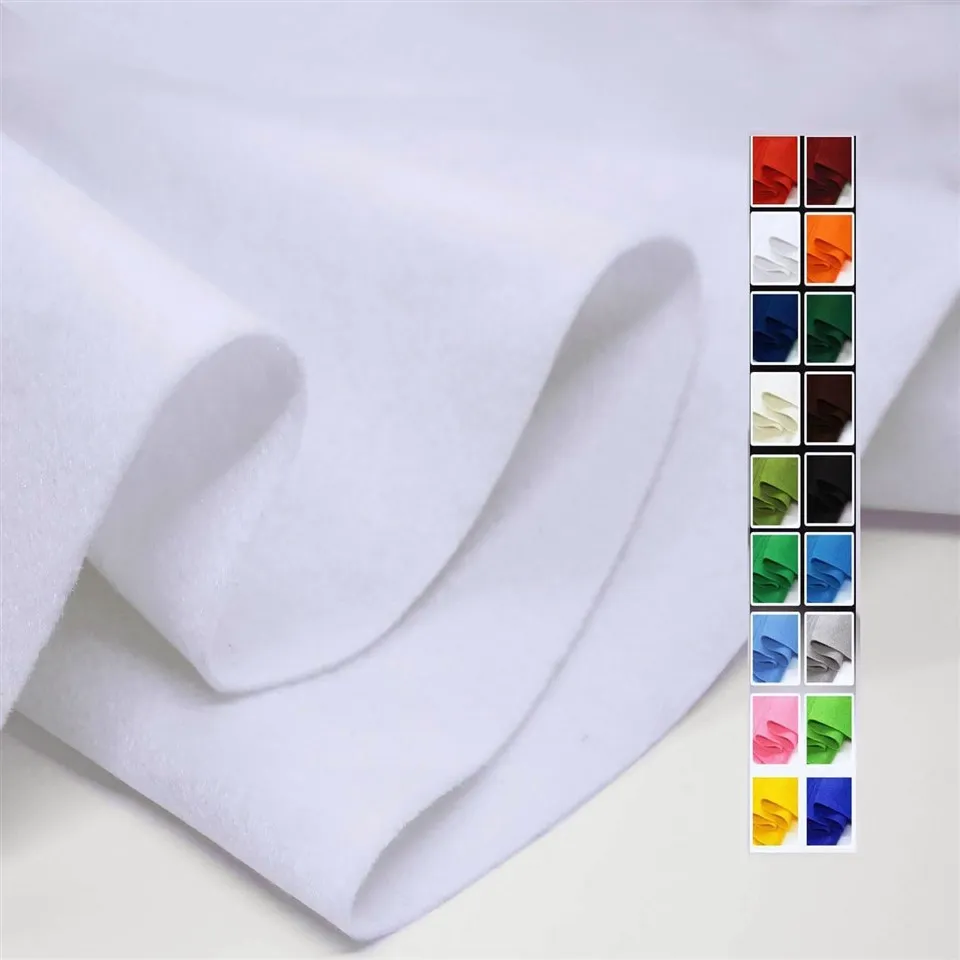
Pure White Polyester Felt
Pure White Polyester Felt is a versatile option that can work well with a variety of furniture styles. Its clean and bright color makes it a great choice for modern and minimalist interiors.
Modern and Minimalist Furniture: Pair the pure white polyester felt carpet with sleek, white or black furniture. A white leather sofa, black metal coffee table, and clear acrylic chairs would create a contemporary and sophisticated look. The white carpet will enhance the sense of space and light in the room.
Scandinavian - Style Furniture: Scandinavian furniture is known for its light - colored wood, simple designs, and natural materials. A pure white polyester felt carpet would complement this style perfectly. Add some light - oak furniture, a sheepskin rug on top of the white carpet for an extra layer of texture, and some green plants to bring in a touch of nature.
Coastal - Style Furniture: For a coastal - inspired room, combine the white carpet with light - blue or beige furniture. A blue - and - white striped sofa, a rattan coffee table, and some nautical - themed decor can create a beachy and relaxing atmosphere.
Round Living Room Rugs
Round Living Room Rugs add a soft and organic touch to a room. They can be a great focal point and work well with different furniture arrangements.
Traditional Furniture: In a traditional living room, a round rug can add a touch of elegance. Pair it with a classic sofa and armchairs in rich, warm colors like burgundy or forest green. A wooden coffee table with carved details and some antique - style lamps can complete the look. The round shape of the rug will soften the angular lines of the traditional furniture.
Mid - Century Modern Furniture: Mid - century modern furniture is characterized by its clean lines, tapered legs, and bold colors. A round rug in a geometric pattern or a solid color can complement this style. Place a pair of Eames lounge chairs, a teak coffee table, and a colorful mid - century modern sofa on the round rug for a stylish and retro look.
Bohemian - Style Furniture: Bohemian style is all about mixing and matching different patterns, colors, and textures. A round rug with a colorful and eclectic pattern can be the perfect base for a bohemian living room. Add some floor cushions, a macrame wall hanging, and a vintage trunk as a coffee table for a laid - back and free - spirited vibe.
Cartoon Rugs
Cartoon Rugs are a fun and playful option, especially for children's rooms or spaces with a whimsical theme.

Children's Furniture: In a children's bedroom, a cartoon rug can be the centerpiece. Pair it with a colorful bed frame, a toy chest, and some wall art featuring their favorite characters. You can also add some small chairs and a table for a play area. The cartoon rug will create a stimulating and inviting environment for kids.
Playroom Furniture: For a playroom, a cartoon rug can provide a soft and safe surface for kids to play on. Combine it with some bean bags, a mini - sofa, and a bookshelf filled with toys and books. The rug can feature popular cartoon characters or fun shapes to add to the playfulness of the room.
Themed - Party Spaces: If you're hosting a themed party, a cartoon rug can set the mood. For example, if it's a superhero party, a rug with superhero logos can be placed in the party area. Surround it with some inflatable chairs and tables decorated with party streamers for a festive look.
Practical Tips for Choosing the Right Carpet
Consider the Function of the Room
Think about how the room will be used. In a high - traffic area like a living room or hallway, you'll need a durable carpet that can withstand wear and tear. A low - pile or loop - pile carpet is often a good choice for these areas. In a bedroom, where comfort is key, a plush or shaggy carpet can provide a cozy and soft surface to walk on.
Test Samples
Before making a final decision, it's a good idea to get carpet samples and place them in the room with your furniture. This allows you to see how the carpet looks in the actual lighting conditions and how it interacts with the furniture. You can also feel the texture and get a better sense of its quality.
Budget
Set a budget for your carpet purchase. There are carpets available at various price points, so you can find one that fits your budget without compromising on quality and style. Keep in mind that a high - quality carpet may last longer and provide better value in the long run.
Conclusion
Matching various designs of carpets with your furniture is an art that requires careful consideration of color, pattern, texture, and size. By following the tips and guidelines outlined in this blog, you can create a harmonious and stylish interior that reflects your personal taste.
As a supplier of various designs of carpets, I'm here to help you find the perfect carpet for your space. Whether you're looking for a pure white polyester felt carpet, a round living room rug, or a cartoon rug, I have a wide range of options to choose from. If you're interested in purchasing carpets or have any questions about carpet selection and matching, please don't hesitate to reach out for a procurement discussion.
References
- Interior Design: Principles and Practices by Francis D. K. Ching
- The Decorating Bible by Mary Jo Peterson