

What is the best way to store household carpets?
Jul 07, 2025
Hey there! As a household carpets supplier, I've seen it all when it comes to carpets – from Crystal Velvet Living Room Rugs that add a touch of luxury to living rooms, Bath Mats that keep bathrooms safe and cozy, to Kids Play Mats that are colorful and durable. And one question I get asked a lot is, "What is the best way to store household carpets?" Well, let's dive right in and find out.
Why Proper Storage Matters
First off, you might be wondering why it's so important to store your carpets correctly. Well, carpets are an investment. They can be expensive, and they also play a big role in the look and feel of your home. If you don't store them properly, they can get damaged, stained, or even develop mold and mildew. This not only ruins the carpet but also means you'll have to spend more money to replace it. So, taking the time to store your carpets right is definitely worth it.
Preparing Your Carpet for Storage
Before you even think about putting your carpet in storage, you need to give it a good cleaning. This is super important because any dirt, dust, or stains left on the carpet can attract pests and cause damage over time. Start by vacuuming the carpet thoroughly on both sides. Use a high - power vacuum cleaner with a good suction to get rid of as much dirt and debris as possible.
If there are any stains on the carpet, treat them before storage. You can use a carpet cleaner that's suitable for the type of carpet you have. For example, if you have a wool carpet, you'll want to use a gentle cleaner that won't damage the fibers. Follow the instructions on the cleaner carefully and test it on a small, inconspicuous area first to make sure it doesn't cause any discoloration.
Once the stains are treated, let the carpet dry completely. You can lay it out in a well - ventilated area or use a fan to speed up the drying process. Make sure it's completely dry before moving on to the next step.
Choosing the Right Storage Location
The location where you store your carpet is crucial. You want to choose a place that's dry, cool, and dark. Avoid areas that are prone to flooding, like basements that tend to get wet during the rainy season. Moisture is the enemy of carpets as it can lead to mold and mildew growth.
An attic can be a good option as long as it's properly insulated and doesn't get too hot in the summer. If you live in a hot climate, you might want to consider using a climate - controlled storage unit. These units keep the temperature and humidity at a constant level, which is ideal for carpet storage.
Also, make sure the storage area is clean and free of pests. You don't want any bugs or rodents getting into your carpet and causing damage. You can use pest repellents or traps to keep the area pest - free.
How to Roll and Store the Carpet
When it's time to roll up the carpet, do it carefully. Roll it in the direction of the pile to avoid damaging the fibers. You can use a carpet tube or a PVC pipe to help with the rolling process. This makes the carpet easier to handle and also helps prevent it from curling up at the edges.
Once the carpet is rolled, wrap it in a breathable material like a cotton sheet or a carpet storage bag. Avoid using plastic bags as they can trap moisture and cause mold. Label the wrapped carpet with details like the type of carpet, where it was from, and the date of storage. This will make it easier for you to find the carpet when you need it.
If you have multiple carpets to store, stack them carefully. Make sure they're not too tightly packed together to allow for air circulation. You can use wooden pallets or shelves to keep the carpets off the floor and prevent them from getting wet.

Checking on Your Stored Carpet
Even though your carpet is in storage, it's a good idea to check on it periodically. Every few months, take a look at the carpet to make sure there are no signs of damage, mold, or pests. If you notice any issues, address them right away.
If the carpet has been in storage for a long time, you might want to give it another cleaning before putting it back in your home. This will help remove any dust or debris that might have accumulated during storage.
Different Types of Carpets and Their Storage Needs
Different types of carpets have different storage requirements. For example, wool carpets are more prone to damage from pests like moths. So, when storing wool carpets, you can add some mothballs or cedar chips to the storage area to keep the moths away.
Synthetic carpets are generally more durable and less prone to damage. However, they can still be affected by heat and moisture. Make sure to store them in a cool, dry place just like any other carpet.
Crystal Velvet Living Room Rugs are delicate and need to be handled with care. When rolling them up, be extra gentle to avoid crushing the velvet fibers. And when wrapping them, use a soft, non - abrasive material.
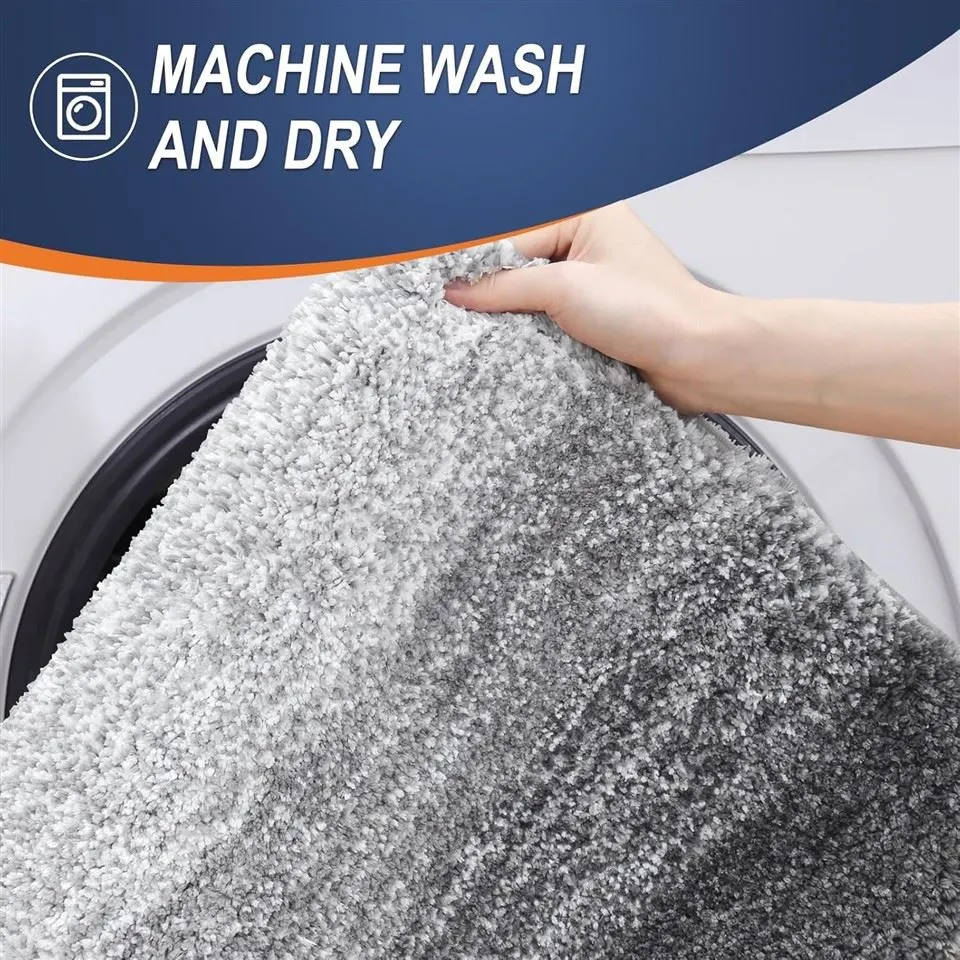
Bath Mats are often made of absorbent materials. Before storage, make sure they're completely dry to prevent mold growth. You can also wash them in a gentle cycle in the washing machine if they're machine - washable.
Kids Play Mats are usually made of tough materials, but they can get dirty easily. Give them a good cleaning before storage and make sure to roll them up tightly to save space.
Conclusion
Storing your household carpets properly is essential to keep them in good condition for a long time. By following these steps, you can ensure that your carpets stay clean, damage - free, and ready to use whenever you need them.
If you're in the market for new household carpets or have any questions about carpet storage, don't hesitate to reach out. I'm here to help you find the perfect carpets for your home and give you all the tips and advice you need. Whether you're looking for Crystal Velvet Living Room Rugs, Bath Mats, or Kids Play Mats, I've got you covered. Let's start a conversation and make your home even more beautiful with the right carpets.
References
- Carpet and Rug Institute. (n.d.). Carpet Care and Maintenance Guide.
- The Spruce. (n.d.). How to Store a Carpet.