

What is the softness level of a 3D printed carpet?
May 22, 2025
Hey there! I'm an enthusiastic supplier of 3D printed carpets, and I've been getting a bunch of questions lately about the softness level of these carpets. So, I thought I'd take a deep - dive into this topic and share everything I know with you.
First off, let's understand what 3D printed carpets are. Unlike traditional carpets that are woven or tufted, 3D printed carpets are created using advanced 3D printing technology. This allows for a high level of customization in terms of design, pattern, and yes, even softness.
The softness of a 3D printed carpet can vary quite a bit, and it mainly depends on three factors: the material used, the printing process, and the design of the carpet.
Materials Matter
The choice of material is a huge deal when it comes to the softness of a 3D printed carpet. There are several materials that can be used for 3D printing carpets, each with its own unique feel.
One of the most common materials is thermoplastic elastomers (TPE). TPEs are known for their flexibility and softness. They have a rubber - like texture that gives the carpet a plush and comfortable feel underfoot. When you walk on a 3D printed carpet made from TPE, it sort of molds to your steps, providing a cushioned experience.
Another material option is polyamide (PA), also known as nylon. Nylon carpets have a smooth and silky texture. They're not as soft as TPE in a cushiony way, but they offer a different kind of softness that's more refined. Nylon is also very durable, so you can expect your 3D printed nylon carpet to last a long time.
Then there's polylactic acid (PLA), which is a biodegradable and eco - friendly option. PLA carpets have a relatively firm yet still somewhat soft feel. They're great if you want a carpet that's both gentle on the environment and provides a bit of support.
The Printing Process
The 3D printing process itself can also influence the softness of the carpet. There are different printing techniques, and each can result in a different texture.
Fused Deposition Modeling (FDM) is one of the most widely used 3D printing methods. In FDM, a filament of the chosen material is melted and extruded layer by layer to create the carpet. The way the layers are deposited can affect the softness. If the layers are closely packed, the carpet may feel firmer. On the other hand, if there's more space between the layers, it can give the carpet a softer, more flexible feel.
Stereolithography (SLA) is another technique. SLA uses a liquid resin that's cured by a laser to form the carpet. SLA - printed carpets can have a very smooth and consistent surface, which often translates to a soft and luxurious feel.
Design Considerations
The design of the 3D printed carpet plays a role in its softness too. For example, carpets with a more open or porous design tend to be softer. The open spaces allow the carpet to flex more easily, giving it a spongy and comfortable feel.
On the contrary, a carpet with a solid, dense design may be firmer. However, a dense design can also provide more support, which might be preferable in some situations, like in high - traffic areas.
Now, let's talk about how the softness of 3D printed carpets compares to traditional carpets. Traditional carpets, especially those made from natural fibers like wool, are often praised for their softness. But 3D printed carpets can give them a run for their money.
With 3D printing, we can create carpets with a level of softness that's tailored to the customer's needs. Whether you want a carpet that's as soft as a cloud for your bedroom or a slightly firmer one for your living room, we can make it happen.
If you're in the market for a soft 3D printed carpet, we've got some great options. Check out our Soft Plush Carpet. It's made from a super - soft TPE material and has an open - cell design that makes it incredibly cushiony.
For those with a modern - style living room, our Black Living Room Rugs are a great choice. They offer a balance of softness and durability, and the black color adds a touch of elegance to any space.
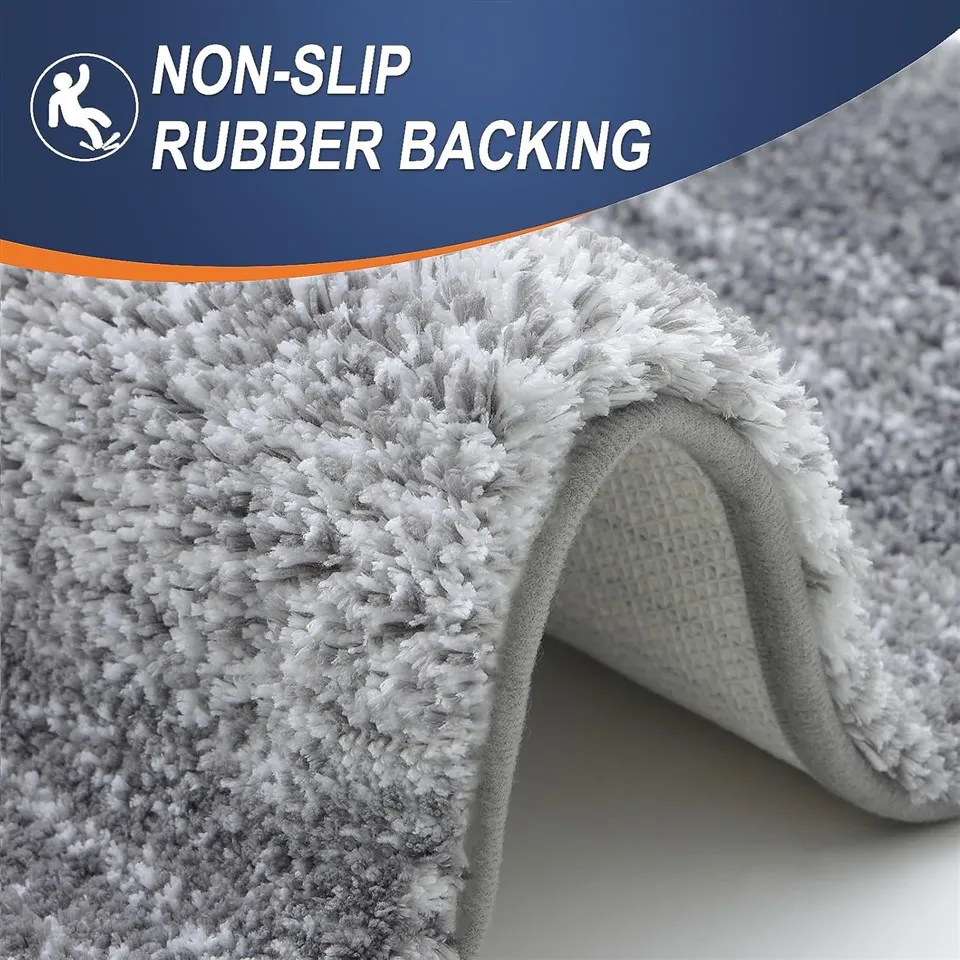

And if you're looking for something for your bathroom, our Bath Mats are designed to be soft and absorbent. They're made with a material that's gentle on your feet and can handle the wet environment of a bathroom.
So, how do you measure the softness of a 3D printed carpet? Well, there's no one - size - fits - all method. Some manufacturers use a durometer to measure the hardness or softness of the material. A lower durometer reading indicates a softer material. However, this doesn't always tell the whole story because the overall feel of the carpet also depends on its design and construction.
Another way to assess softness is through a simple tactile test. Just run your hand over the carpet or walk on it. Does it feel comfortable? Does it provide enough cushioning? These are the real - world indicators of a carpet's softness.
In conclusion, the softness level of a 3D printed carpet can vary widely based on the material, printing process, and design. As a supplier, I'm really excited about the possibilities that 3D printing offers in terms of creating carpets with just the right amount of softness for every customer.
If you're interested in our 3D printed carpets, whether it's for your home, office, or any other space, I'd love to have a chat with you. Reach out to us to discuss your requirements, and we can work together to find the perfect 3D printed carpet with the ideal softness level for you.
References
- "3D Printing Materials: A Comprehensive Guide" by Industry Experts Group
- "Carpet Manufacturing Techniques and Their Impact on Quality" by Textile Research Institute
- "The Future of Home Decor: 3D Printed Carpets" by Interior Design Magazine